
What is regenerative agriculture, and how does it work?

We must be aware that some current agricultural practices, such as intensive tillage or inadequate irrigation, contribute to soil degradation and loss, and are also responsible for greenhouse gas emissions.
Regenerative agriculture represents a radical shift in approach from conventional agriculture, which is based on intensification and the massive use of synthetic inputs.
Many climate phenomena disrupt local water cycles, causing soil erosion and desiccation or a decline in biodiversity.
What is regenerative agriculture?
Regenerative agriculture consists of a set of practices that regenerate soil organic matter and restore biodiversity, while also helping to reverse climate change.
This results in improvements to the water cycle, ecosystems, and biodiversity, increasing carbon dioxide sequestration and strengthening the health of agricultural lands. It is a system that enhances food production, with the goal of conserving and rehabilitating agricultural environments while helping to address climate change.
“In regenerative agriculture, there are nothing but benefits.”
What are the advantages of regenerative agriculture?
- It improves profitability by reducing external inputs, lowering costs, and stabilizing long-term yields.
- Ability to adapt to disruptive factors or the challenges of climate change. Regenerated soil is like a sponge; it can absorb and retain much more water, which reduces the risk of drought, and it is also more resistant to erosion.
- It benefits the environment by sequestering carbon, increasing biodiversity, and eliminating chemicals. Regenerative agriculture has a direct positive impact on ecosystems and the fight against global warming.
Regenerative agriculture seeks to work in harmony with nature.
Soil health is a vital but limited resource. This approach aims to improve and restore soil quality while helping to reduce the carbon footprint, improve the health of agricultural ecosystems by rejecting chemical inputs, and make the crops safer for human consumption
Differences between traditional organic farming and regenerative farming
Although they share many principles, organic farming and regenerative farming are not exactly the same. Organic farming focuses primarily on producing crops in accordance with regulations that limit the use of synthetic fertilizers and pesticides and establish specific practices to reduce environmental impact.
Regenerative agriculture goes a step further and focuses on progressively improving the agricultural ecosystem itself. Its objectives include promoting soil fertility and structure, increasing biodiversity, making better use of water, and reducing erosion through practices tailored to each farm.
For this reason, the main regenerative agriculture techniques include cover crops, reduced tillage, crop rotation, the incorporation of organic matter, and the integration of animals into certain agricultural systems. Rather than replacing organic farming, both approaches can complement each other to move toward a more balanced production model that is aligned with the natural functioning of the soil.
The rise of regenerative agriculture in Spain
Regenerative agriculture in Spain has gained prominence in recent years as a response to challenges such as soil degradation, water scarcity, and the need to adapt crops to increasingly demanding climatic conditions.
More and more farmers and farms are adopting practices aimed at improving soil health, conserving moisture, and promoting biodiversity. Among the most common regenerative agriculture techniques are cover crops, reduced tillage, crop rotation, and the use of organic matter.
Its growth reflects a shift in approach: it is not just about reducing the impact of agricultural activity, but about working to ensure that the farm’s ecosystem itself gains balance, fertility, and resilience over time.
Challenges of regenerative farming in the face of climate change
There are various regenerative agriculture techniques aimed at regenerating the soil, improving its fertility, and maintaining agricultural productivity in the face of the effects of climate change. These practices demonstrate what regenerative agriculture is in practice: a model that seeks to maintain living, fertile, and diverse soil—particularly relevant given the challenges facing regenerative agriculture in Spain, such as water scarcity, erosion, and high temperatures.
- Improving soil quality and health by increasing organic matter, aeration, water retention, and microbial activity. Earthworms, known as “soil engineers”, help improve soil structure and fertility.
“Healthy soil absorbs more water in less time, better resists erosion, and reduces dependence on external fertilizers.” - Increasing atmospheric carbon sequestration. Through photosynthesis, plants absorb CO₂ and transfer part of that carbon to the soil, where it can remain stored if a healthy ecosystem is maintained.
- Keeping the soil covered with cover crops, reducing erosion and protecting soil structure. Compost and reduced tillage also promote long-term soil fertility.
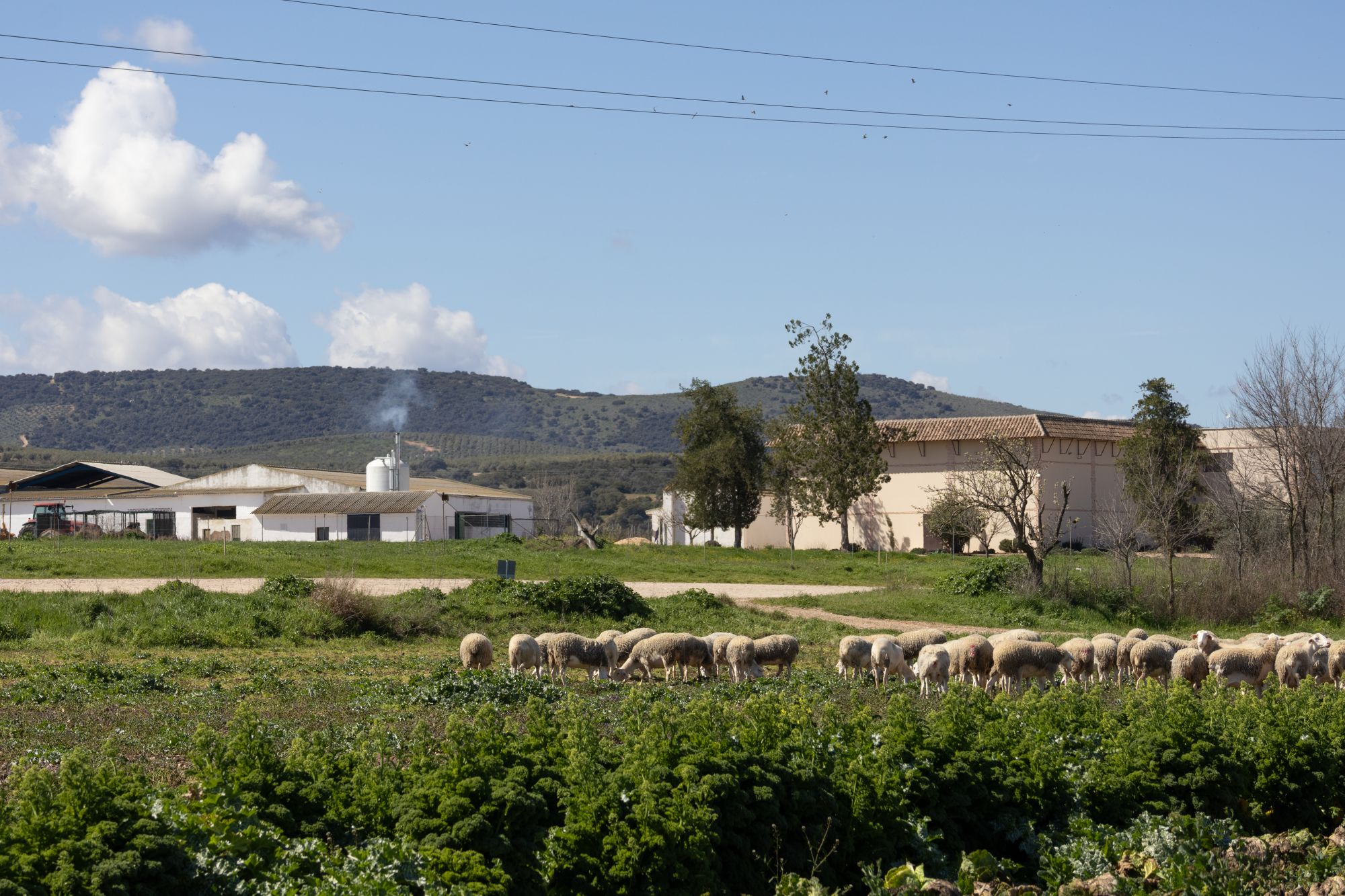
- Promote regenerative livestock farming by integrating grazing to manage pastures, redistribute seeds, and close the nutrient cycle through natural fertilization.
- Reduce synthetic chemical inputs and replace them with compost, biofertilizers, treated manure, or organic fertilizers. Biological pest control using beneficial insects and plants can also be employed.
- Diversify and rotate crops to prevent soil depletion and break the cycles of pests and diseases associated with monocultures.
- Create ecological corridors and promote biodiversity through hedgerows, ponds, or insect hotels that encourage the presence of pollinators and natural predators of pests.
- Promote agroforestry by incorporating trees and shrubs that help reduce erosion, improve water retention, provide shade, and protect crops from extreme temperatures.
How we apply regenerative agriculture at Finca Hualdo
At Finca Hualdo, regenerative agriculture is implemented through a model that integrates farming, livestock, biodiversity, and technology. We seek to make the most of the farm’s own resources and close cycles: the sheep feed on crops grown here and help enrich the soil naturally, while byproducts from the olive mill are reused as fertilizers.
Among the regenerative agriculture techniques that are part of this approach are also the promotion of pollinators, the protection of species such as the imperial eagle and the Iberian lynx, and the use of monitored irrigation systems and fertigation to optimize resources.
Added to this is energy self-sufficiency: three solar power plants generate about 30% of the energy needed to operate the machinery and monitoring systems. The goal is to move toward productive agriculture that, at the same time, cares for the soil, makes better use of resources, and promotes the farm’s natural balance.